Nebbiolo d’Alba

Caplavur


First vintage: 1996

It is the winery’s historic Nebbiolo. This wine, along with arneis and barbera were the labels that first saw the light of day at the winery, the nebbiolo, renamed CAPLAVUR (CAPOLAVORO) since 2010, now ages 24 months in large barrels. Light aging that allows the primary aromas of nebbiolo to be perceived but at the same time dampens and softens the tannins.
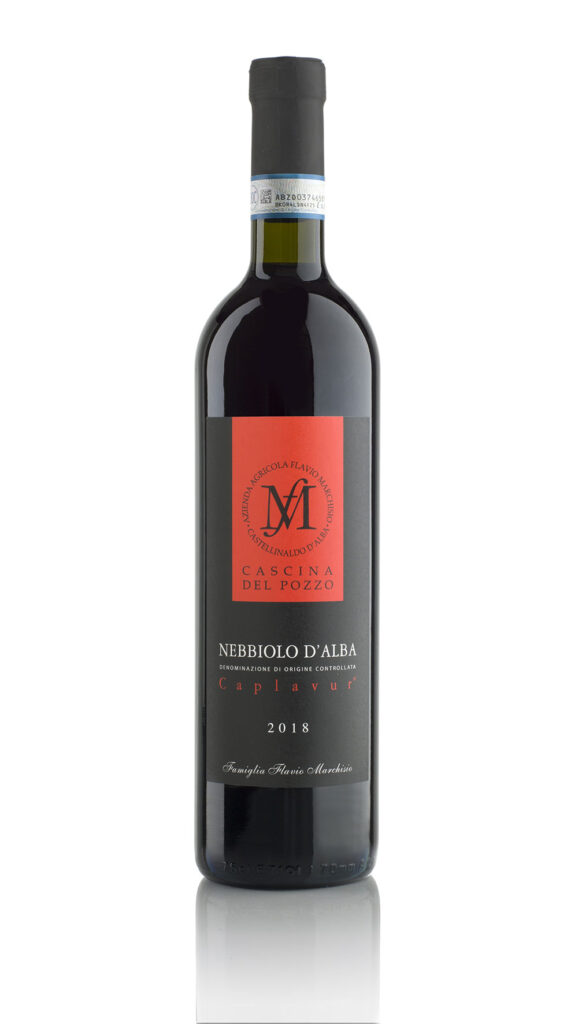

Caplavur Nebbiolo d'Alba Cascina del Pozzo

CAPLAVUR

Nebbiolo d’Alba

Nebbiolo

100%

Grapevine100% Nebbiolo
Production areaCastellinaldo d’Alba – Roero
Landsandy (66% sand, 30% flax, 4% clay)
Exposure / Altitudesoutheast, southwest / 300 m
Breeding / Pruningcounter-espalier / Guyot
Planting density5,000 vines per hectare
Yield per hectare40hl
HarvestManual from late September to mid-October
Vinification15/18 days of maceration with frequent délestages and punching down; temperature controlled, maximum regime 28°C.
Refinement12 months tonneaux, 12 months in large barrels, 12 months in bottle
Bottles per year4.000
PairingsRoasted red meat, game, aged cheeses
Formats0.75L – 1.5L – 3L – 5L
Frequently Asked Questions FAQ - Cascina del Pozzo

Frequently Asked Questions

Curiosities and questions about Nebbiolo d’Alba Caplavur and related concepts

It is a wine that comes from the youngest nebbiolo vines. It ages 24 months in large oak barrels to dampen the tannin and to leave the characteristic taste and smell of nebbiolo, making it softer. It is an easier and more drinkable wine than Roero Montegalletto.

A cru, from the French verb croître (to grow), means “that which grows in an area,” and indicates a specific vineyard in a given geographic region from which a particularly high-quality wine is made.

The word cuvèe stands for a wine composed of the blending of several wines. By blending different wines, it is possible to balance the flavors and perfect the tastes expressed by the various crus.

The term guyot is named after its originator, Dr. Jules Guyot, who in the mid-19th century gave birth to this vine training system. Guyot at Cascina del Pozzo is the simple one so with only one head of fruit. On red wines we leave 6 to 8 buds depending on the vigor of the plant and a single spur of 2 buds for the following year. This leads to more quality and less quantity.

Batonnage is a technique used to stir a fermenting wine that will then move on to barrel aging. The action brings the lees, that is, the yeast residues necessary for alcoholic fermentation, to the surface. Batonnage is traditionally carried out with a bâton or “stick.”

Tonneaux, from the Latin word “tunna,” means “cask” or “vessel.” These are wooden barrels, originating in the Bordeaux area of France, spread throughout the world, used for aging wine.


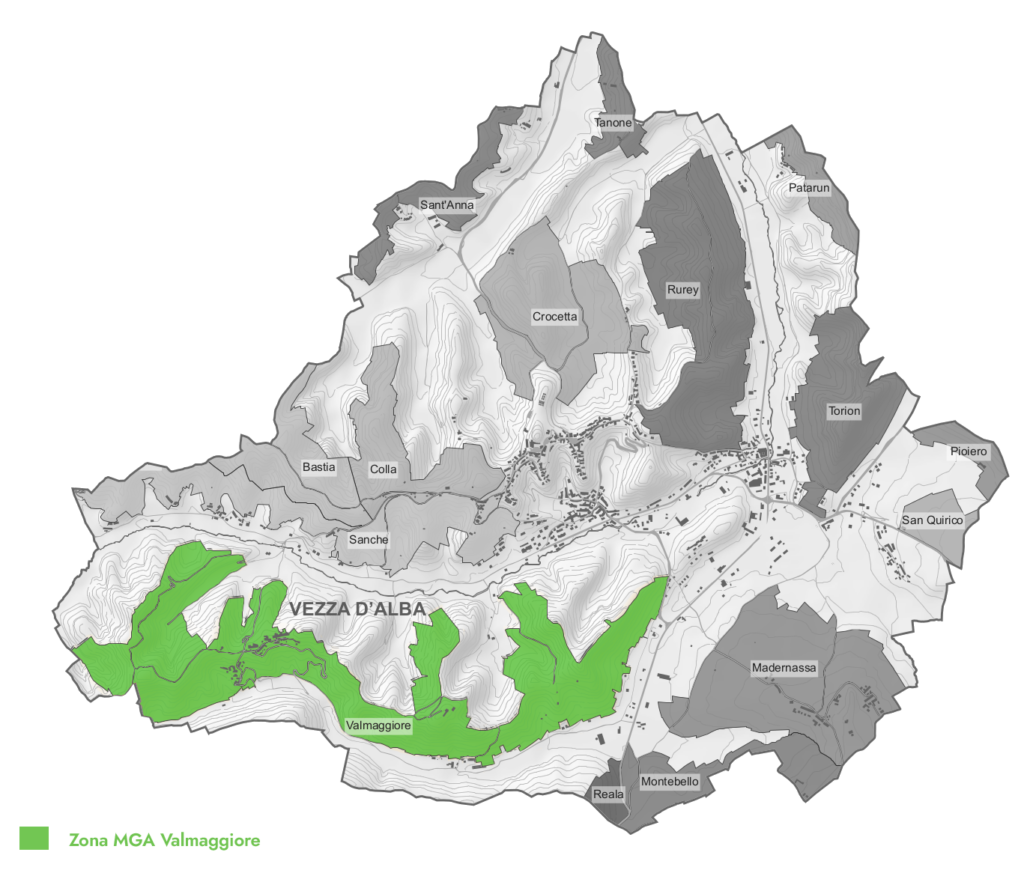
Vineyard: Valmaggiore, Vezza d’Alba

Valmaggiore Vezza d'Alba - Cascina del Pozzo Vineyard

Pairings


Meat

Meat with potatoes as a wine pairing

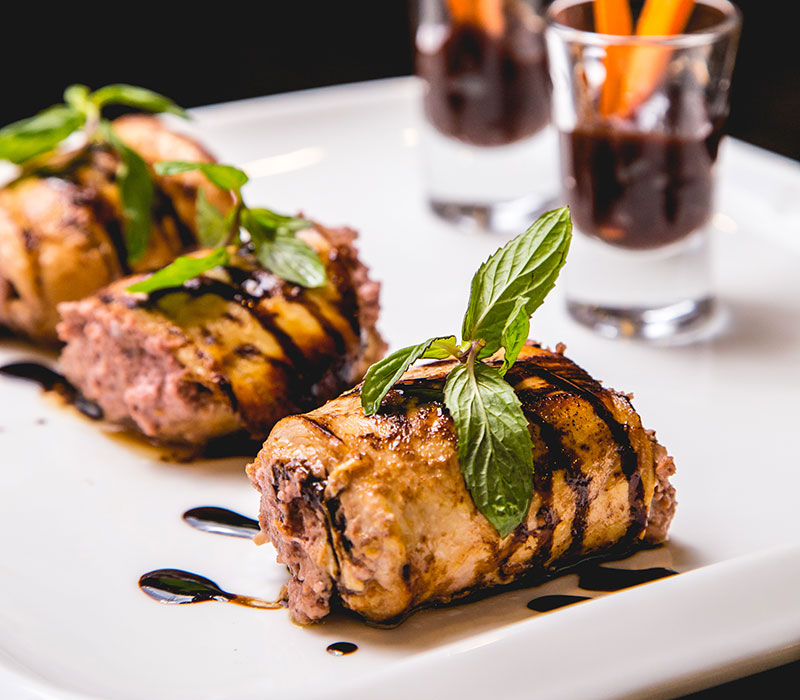
Nebbiolo d’Alba Caplavur goes well with traditional local meat main courses. The following are some examples:

  • Beaten raw meat
  • Royal and lean knife-beaten beef meat with cucumber and hazelnuts
  • Ox stew with Nebbiolo wine
  • Steamed ham and spinach meatloaf
  • Sliced steak with warm pear salad
  • Milk roast

Nebbiolo d’Alba Caplavur is also ideal with aged cheeses.